








When Silence Wears a Suit
Not every villain twirls a moustache. Find out how most villains have sharp suits on.

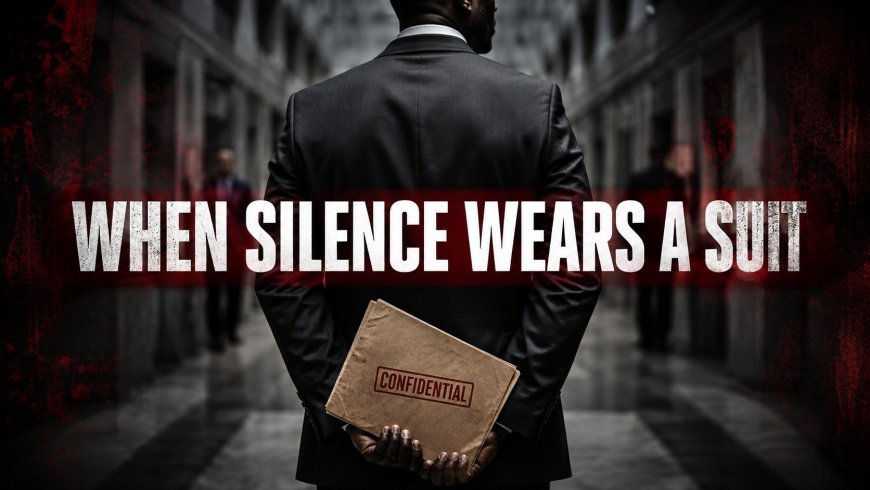
Not every villain twirls a moustache. Some villains stamp forms, clear their throats and say, “Come tomorrow.” That sentence is funny until the film starts. Then the room changes.
Institutions can look respectable while passing vulnerable people from desk to desk. The film refuses the clean version of the story-the one where one bad person appears, everyone else looks shocked and the credits rescue us. Instead, it shows how harm grows when violence meets stigma, confusion and institutions that keep passing responsibility like a hot sufuria.
And yes, the subject is serious. The question is painfully ordinary: when somebody vulnerable asks for help, what happens next? Are they believed? Are they treated with dignity? Does the person behind the desk know what to do, or do they improvise with judgment and a rubber stamp?
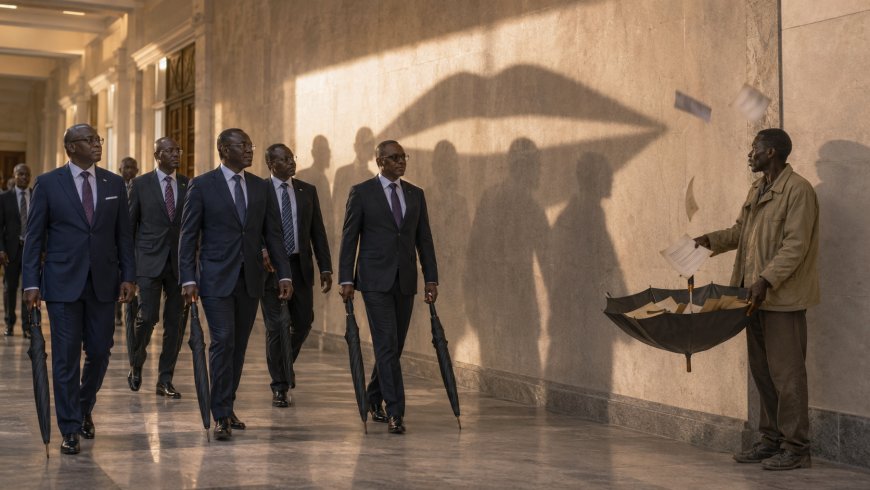
Notice the small refusals. Challenge them before they join hands and become catastrophe. Start there. Not with a grand speech. Not with a 47-post thread nobody finishes. Start with the next practical thing: learn where survivors can get credible help, challenge one cruel joke, question one lazy excuse, or invite people to watch the movie together.
Here is today’s small assignment. no foolscap. Ask five people what they would do if a child disclosed sexual violence. Where would they go? Whom would they call? If the answers are silence, rumours and “I know a guy,” congratulations: you have found the gap. Fill it with verified information and a plan, not confidence imported from a family WhatsApp group.
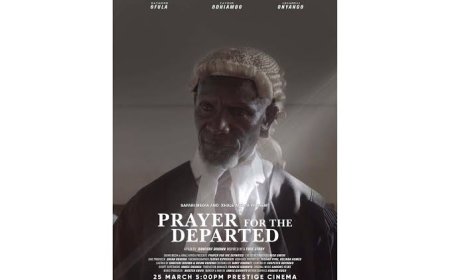
Watch Prayer for the Departed on Xhale Africa Films. Bring your people. Bring your arguments too-but make sure they have watched the film before they start shouting. When the credits roll, ask one question: “What will we do differently now?” If the answer is nothing, kindly rewind. The movie was talking to us.
What's Your Reaction?
 Like
0
Like
0
 Dislike
0
Dislike
0
 Love
0
Love
0
 Funny
0
Funny
0
 Angry
0
Angry
0
 Sad
0
Sad
0
 Wow
0
Wow
0