









The Survivor Is Not the Scandal
The Survivor Is Not the Scandal. So why do we act like they are? Find out in this punchy article on Prayer for the Departed.

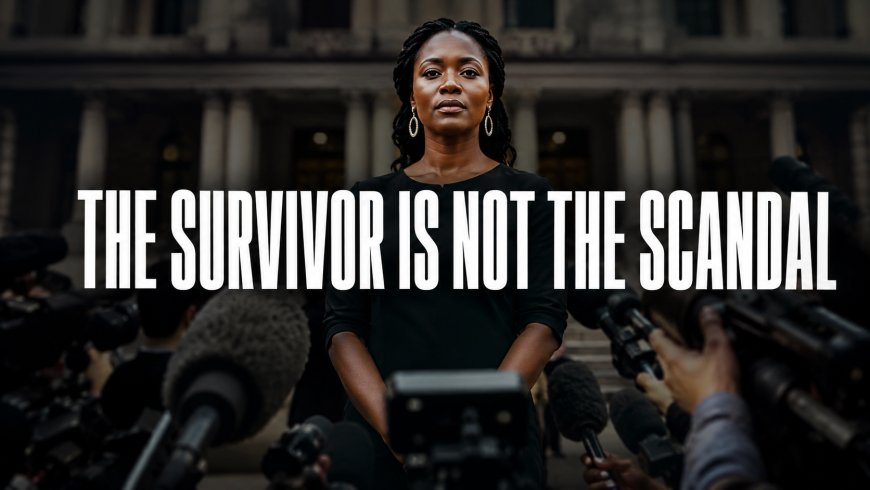
Quick public-service announcement: the raped girl is not the embarrassing part of this story. Laugh first if you must. The story will collect its seriousness at the door.
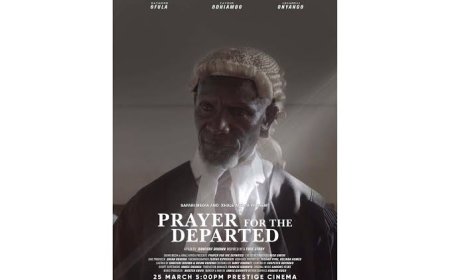
Prayer for the Departed is inspired by the true story of JMM. She was 14 when she was raped. Campaign records and press coverage say she later sought an unsafe abortion, suffered serious complications, was denied life-saving care in public facilities and died after years of illness. That is not “content.” That is a child moving through several doors adults were supposed to keep safe.
Communities often interrogate survivors harder than they interrogate the systems that failed them. The film refuses the clean version of the story-the one where one bad person appears, everyone else looks shocked and the credits rescue us. Instead, it shows how harm grows when violence meets stigma, confusion and institutions that keep passing responsibility like a hot sufuria.
And yes, the subject is serious. But serious does not mean we must write and speak like photocopied policy documents. The question is painfully ordinary: when somebody vulnerable asks for help, what happens next? Are they believed? Are they treated with dignity? Does the person behind the desk know what to do, or do they improvise with judgment and a rubber stamp?
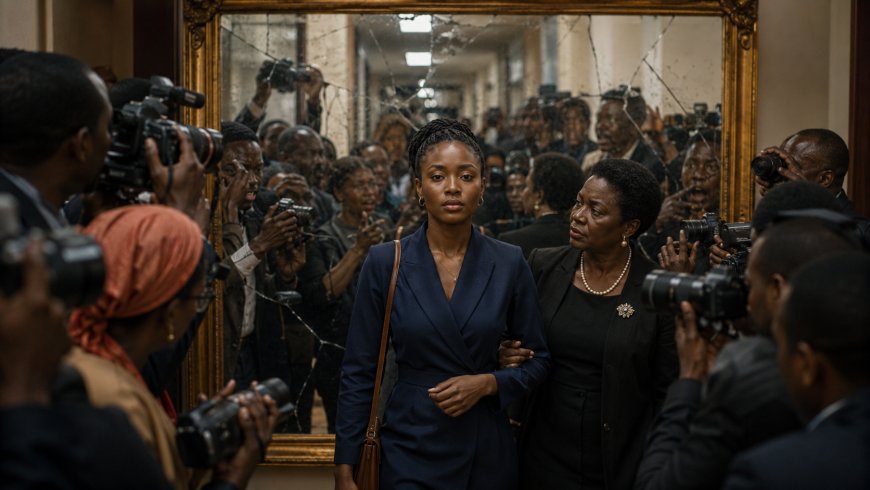
Move the spotlight. Ask who harmed, who ignored and who had power to help. Start there. Not with a grand speech. Not with a 47-post thread nobody finishes. Start with the next practical thing: learn where survivors can get credible help, challenge one cruel joke, question one lazy excuse, or invite people to watch the movie together.
P4D has already travelled beyond one screening room, having won awards and nominations. Good. Let the flowers arrive. Then let the questions arrive immediately after them.
Because awards cannot implement anything. Audiences can create pressure. Communities can stop normalising harm. Men can challenge men. Institutions can choose clarity over confusion. Ordinary mwananchi can refuse to become the last quiet link in a long chain of failure.
Watch Prayer for the Departed on Xhale Africa Films. Bring your people. Bring your arguments but make sure they have watched the film before they start shouting. When the credits roll, ask one question: “What will we do differently now?” If the answer is nothing, kindly rewind. The movie was talking to us.
What's Your Reaction?
 Like
0
Like
0
 Dislike
0
Dislike
0
 Love
0
Love
0
 Funny
0
Funny
0
 Angry
0
Angry
0
 Sad
0
Sad
0
 Wow
0
Wow
0