





Short Film, Big Mouth
A short film can wreck your sleep in twelve minutes. Discover why powerful African stories do not need enormous runtimes or budgets. Your short film may be brief, but its impact does not have to be. Prepare it professionally and submit it to Xhale Africa


A short film can destroy your peace in twelve minutes.
You press play feeling stable.
The credits roll and suddenly you are questioning your childhood, government and last three relationships.
Runtime is not emotional weight.
That is excellent news for African filmmakers working with small budgets, borrowed locations and actors paid partly in exposure and samosas.
Your film does not need to be two hours long to matter.
Sometimes it only needs one unforgettable character, one impossible choice and an ending that follows viewers into the shower.
Xhale Africa welcomes short films alongside documentaries, features, artivism stories and other culturally relevant African productions for review and possible hosting.
So yes, your short film belongs in the submission conversation.
But “short” is not permission to submit a rough idea wearing opening credits.
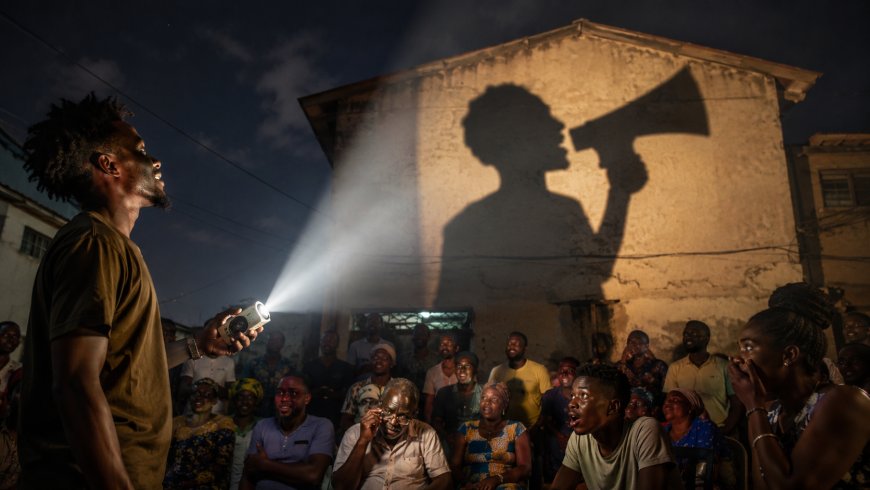
Every minute must earn its seat.
A feature film can occasionally wander into a subplot, greet some relatives and return later.
A short film does not have that luxury.
If the first three minutes contain a sunrise, somebody tying shoes and a kettle boiling-with no story in sight- you have already spent half your budget of audience patience.
Enter quickly.
Who is this person?
What do they want?
What is standing in the way?
Why should we care before our thumb remembers it can scroll?
Do not confuse a slow story with a story that has not started.
Silence can be powerful. Long shots can be beautiful. A quiet film can hit like a matatu braking unexpectedly.
But every choice must create feeling, tension or meaning.
“Artistic” is not a witness-protection programme for scenes that are doing nothing.
Sound also matters.
Viewers may forgive a modest camera. They will not happily spend fifteen minutes decoding dialogue recorded beside a generator, three goats and somebody frying chips.
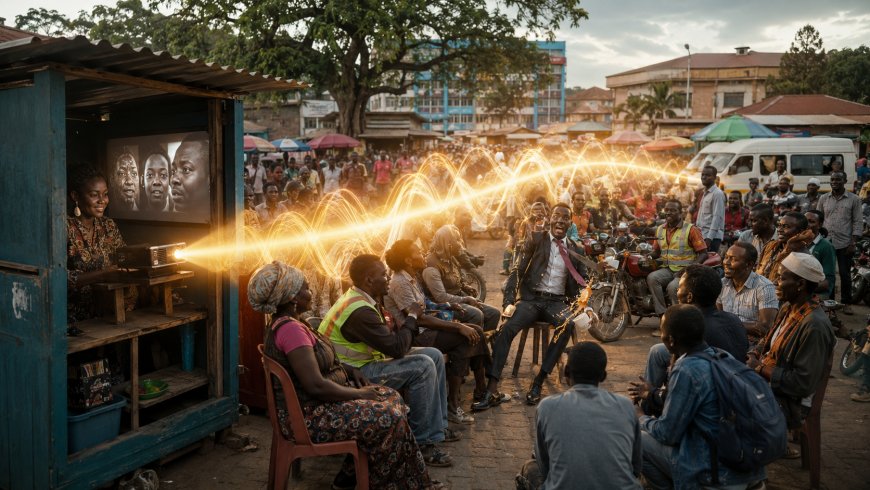
Clean the audio.
Add readable subtitles.
Colour-correct the film so night scenes do not resemble CCTV footage from an abandoned warehouse.
Then watch the export from beginning to end.
Do not assume the final file is fine because the editing timeline looked confident.
Check for missing frames, unfinished titles, spelling mistakes and that one crew member’s WhatsApp notification hiding inside the soundtrack.
Package the film professionally.
Write a logline that makes the central tension clear. Prepare a short synopsis, director’s biography, credits, poster and strong stills.
Confirm that you have permission to use the music and other third-party material.
“Found it on YouTube” is not a music-licensing strategy.
Neither is “the artist is unlikely to see this.”
Your small budget is not shameful.
Many memorable filmmakers began by using whatever they had: one room, natural light, friends, phones and unreasonable levels of determination.
What matters is whether limitation became creativity-or remained visible as poor preparation.
Keep the local language.
Keep the neighbourhood.
Keep the details outsiders may not understand immediately.
Specificity gives a film fingerprints.
A story set in your estate does not become smaller because it avoids pretending to happen in New York.
Before submitting, show the film to someone who does not love you enough to lie.
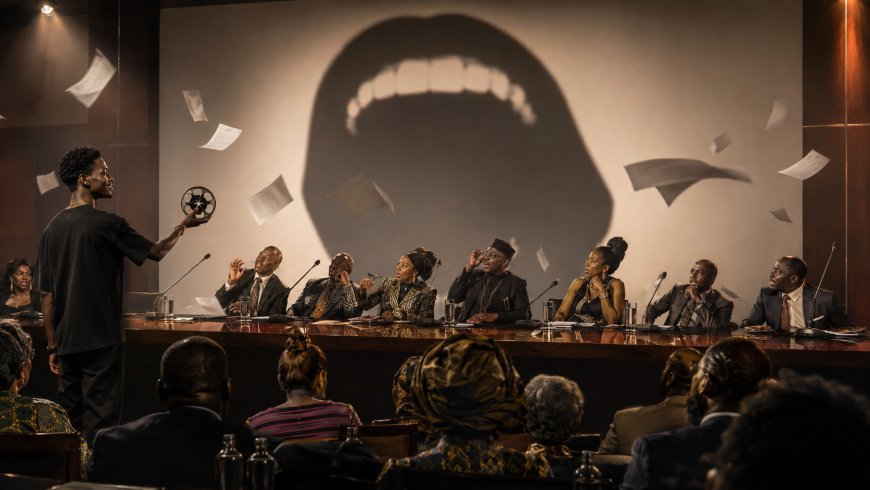
Do they understand it?
Where does their attention drop?
What image remains afterward?
Listen without explaining every scene. The audience will not receive a director’s voice note after watching.
Then submit your short film through Xhale Africa’s official platform.
Do not wait until it magically becomes a feature.
A sharp fifteen-minute story is better than a tired ninety-minute version dragging extra scenes behind it.
Short film.
Big mouth.
Let it speak.
What's Your Reaction?
 Like
0
 Dislike
0
 Love
0
 Funny
0
 Angry
0
 Sad
0
 Wow
0