










“Keep Quiet” Is the Villain | Scars of Justice
Silence is often sold as peace. Discover how Scars of Justice exposes the people and systems protected when victims are told to keep quiet. Scars of Justice challenges silence, broken systems and the dangerous performance called peace.

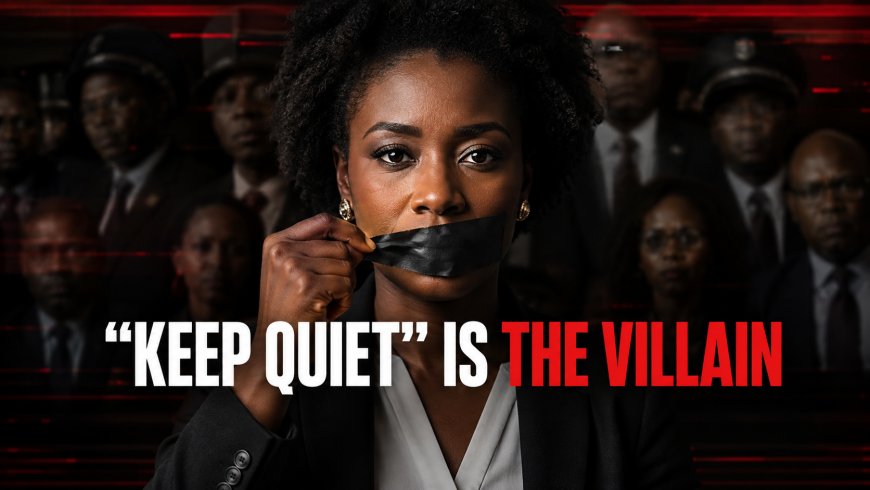
“Keep quiet” has protected more nonsense than any security company in history.
It has guarded abusers.
Hidden corruption.
Protected family reputations nobody remembers asking to protect.
It has worked weekends, public holidays and night shifts-without once requesting overtime.
Frankly, “keep quiet” deserves an investigation.
Scars of Justice is Xhale Africa’s upcoming drama inspired by real struggles for truth, dignity and accountability.At the centre of the film is a familiar African problem: people suffering twice.
First, something terrible happens.
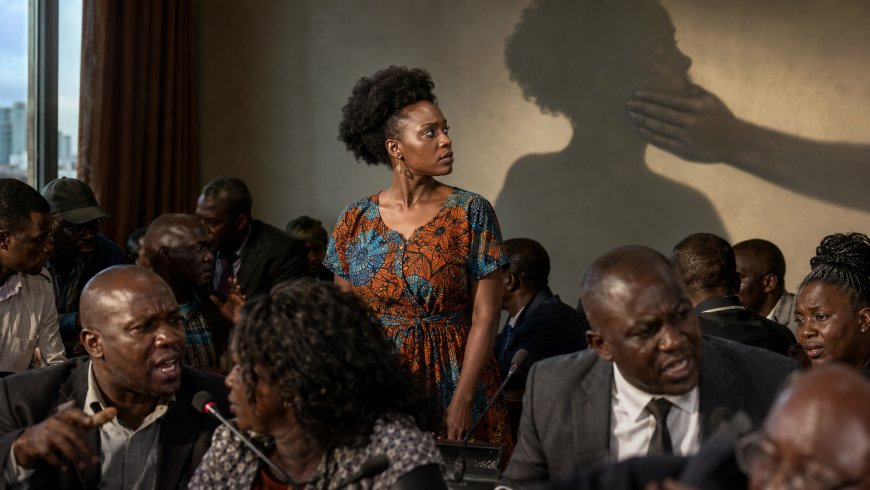
Then somebody tells them not to talk about it.
“Think about the family.”
“Do not embarrass important people.”
“Let us handle this privately.”
“Why are you creating enemies?”
Translation: the harm is inconvenient, so could the harmed person please become less visible?
Silence is then renamed peace.
But peace for whom?
Certainly not for the person carrying the truth alone.
When victims are told to keep quiet, the people responsible are not the only ones protected. Institutions are protected. Careers are protected. Family names are protected. Comfortable lies are protected.
Everybody receives protection except the person who needed it first.
That is where Scars of Justice becomes uncomfortable in the best possible way.
It asks what happens when ordinary people refuse to disappear politely.
No superhero music.
No billionaire arriving in a flying suit.
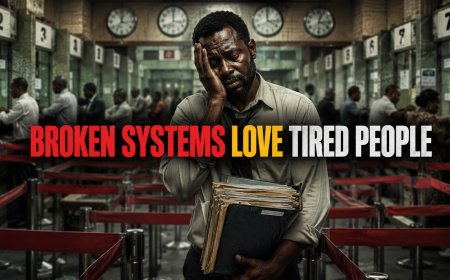
Just mwananchi facing systems that know how to exhaust people: long queues, missing files, unanswered calls, sudden transfers and the legendary phrase, “Come tomorrow.”
Tomorrow arrives.

Justice does not.
And when somebody finally becomes angry, society acts shocked.
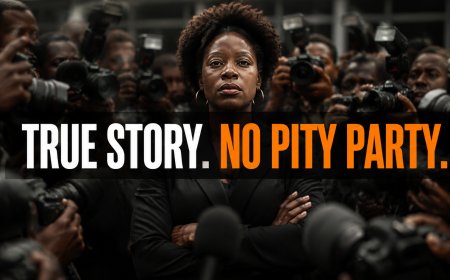
“Why is she shouting?”
“Why is he being difficult?”
“Could they not express themselves more respectfully?”
Interesting.
We rarely demand respectful behaviour from the system causing the pain. We reserve that standard for the person bleeding from it.
The perfect victim must apparently be hurt but calm, angry but pleasant, traumatised but punctual, courageous but never inconvenient.
That person does not exist.
Real people become tired. They cry at the wrong time. They laugh unexpectedly. They forget details. They become furious.
None of that cancels what happened.
As you watch Scars of Justice, pay attention to the people recommending silence.
Are they protecting the victim-or protecting themselves from discomfort?
Who benefits if the matter disappears?
Who loses sleep while everybody else celebrates “peace”?
Gen Z, bring the hashtags. Bring the cameras. Bring the refusal to accept “that is how things work.”
But bring discipline too.
Verify information before sharing it. Protect private details. Do not turn somebody’s pain into digital entertainment. Accountability is not a competition to post the angriest caption.
Ordinary mwananchi , bring your experience.
You already know silence. You have seen it at school, work, church, the police desk, the hospital corridor and the family table.
After the screening, ask your group one direct question:
“Where have we seen silence rewarded?”
Then ask the dangerous follow-up:
“Who was protected?”
Get tickets and screening updates through Xhale Africa’s official channels. Bring a friend, campus group, chama or colleague pnce the film drops.
Watch the film.
Name the silence.
Interrupt it.
Because “keep quiet” has enjoyed excellent job security.
It is time for retrenchment.
What's Your Reaction?
 Like
0
Like
0
 Dislike
0
Dislike
0
 Love
0
Love
0
 Funny
0
Funny
0
 Angry
0
Angry
0
 Sad
0
Sad
0
 Wow
0
Wow
0