



A Prayer Is Not a Healthcare Plan
Prayer matters- but it cannot replace timely, dignified healthcare. See what Prayer for the Departed asks Kenya to confront. P4D exposes what happens when sympathy replaces clear, timely healthcare for girls and survivors of sexual violence.
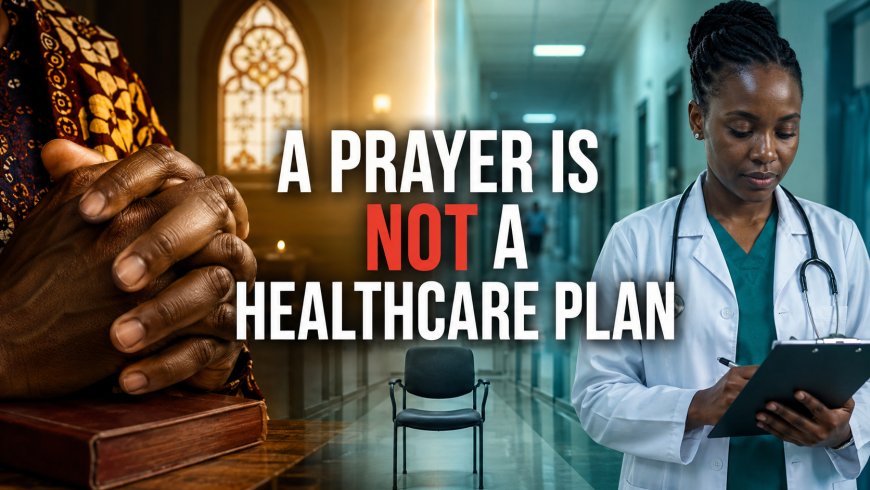
Prayers matter.
So do trained doctors.
Clear guidelines are also useful.
And call us demanding, but a hospital should probably avoid using shame as medicine.
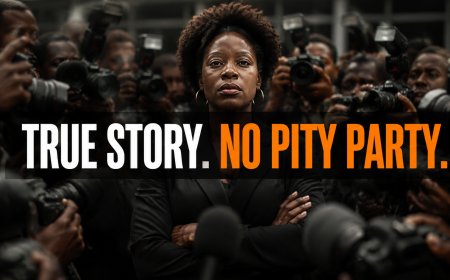
Prayer for the Departed is inspired by the true story of JMM, a 14-year-old girl who was raped.
According to the film’s campaign records and contemporary press coverage, she later sought an unsafe abortion, suffered severe complications and was denied life-saving care in public facilities.
She lived with kidney complications for years before dying.
Somewhere inside that chain of events, there were probably prayers.
There may have been sympathy too.
People may have shaken their heads and said, “This is very sad.”
But sympathy does not perform treatment.
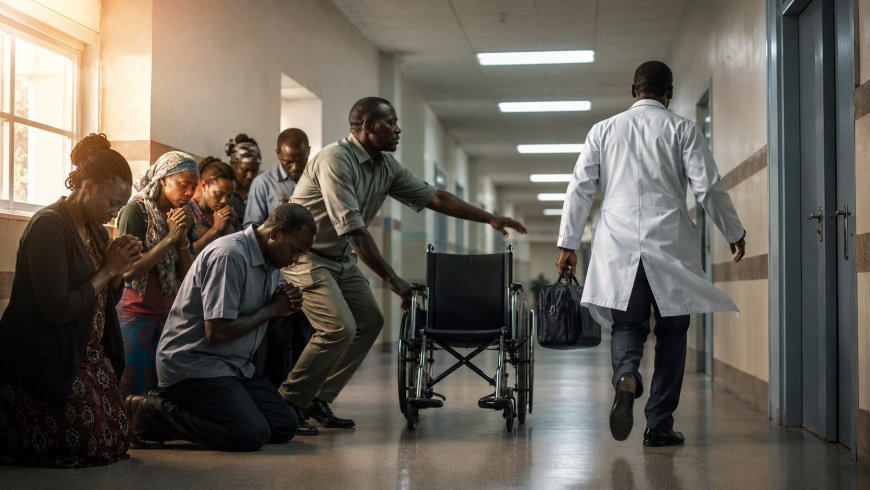
Sadness cannot replace medical clarity.
And “God will help” should never secretly mean, “The system has decided not to.”
P4D asks us to confront a habit we have perfected: offering emotional language where practical action is required.
A survivor discloses violence.
We pray.
A girl needs urgent care.
We pray.
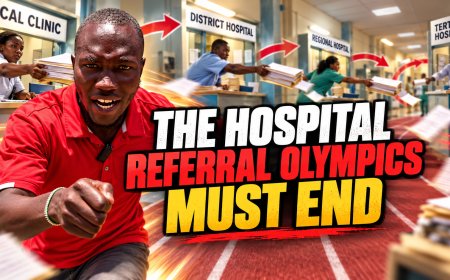
A family is running from one facility to another.
We pray harder.
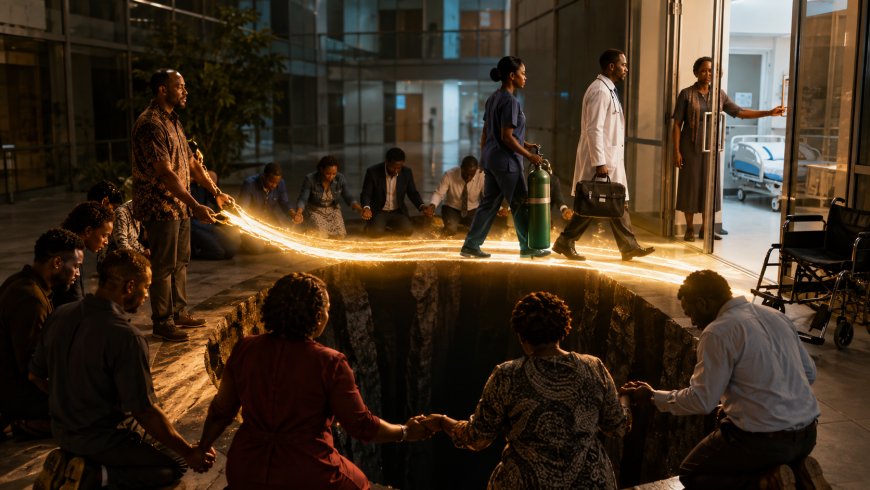
Prayer may comfort people. It may give strength. It may hold a family together when everything else is collapsing.
But prayer is not a referral pathway.
It is not trained medical care.
It is not a functioning policy.
It is not money for transport, medicine or a hospital bed.
At some point, somebody must also know what to do.
The film shows how quickly a health crisis can become a moral courtroom.
Instead of asking, “How do we help her?” people start asking questions designed to investigate whether she deserves help.
What happened?
Why was she there?
Why did she not speak earlier?
Who was she with?
How was she dressed?
Meanwhile, the medical emergency is sitting quietly in the corner, checking the time.
A child should not need to pass a character examination before receiving dignified care.
Healthcare is not a prize for people who have made society comfortable.
And a hospital is not a confession booth with a pharmacy attached.
This is where ordinary mwananchi enters the story.
You may not be a doctor, lawyer or policymaker. Fine.
Can you believe a child who discloses violence?
Can you help someone reach qualified care instead of the neighbourhood person described only as “very experienced”?
Can you protect confidentiality rather than launching the news into the family WhatsApp group before breakfast?
Can you ask a public institution to explain its procedure clearly?
Those actions may look smaller than a national speech, but they are far more useful than becoming the loudest spectator at somebody else’s crisis.
P4D has received recognition beyond Kenya. The supplied campaign record shows it won the Human Rights and Social Justice Award at the 2023 Eastern Talanta Awards.
It was also selected for Colombia’s 2023 International Film Festival for Human Rights.
That recognition matters.
But a plaque cannot escort a frightened girl through a hostile system.
People must do that.
Policies must do that.
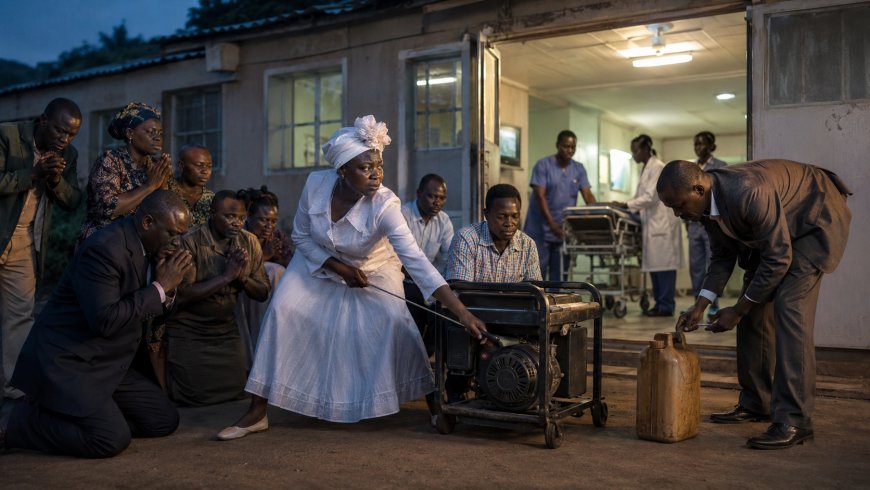
Healthcare workers, families, communities and leaders must do that.
Watch Prayer for the Departed on Xhale Africa Films with your friends, colleagues, campus group or chama.
Afterward, ask a practical question:
“If somebody came to us needing help tonight, would we know what to do?”
If the answer is no, do not panic.
Learn.
Find credible information. Identify trusted support services. Discuss how your school, family, organisation or community would respond.
Keep the prayers.
But add a plan.
Because compassion should not only sound beautiful.
It should arrive in time.
What's Your Reaction?
 Like
0
 Dislike
0
 Love
0
 Funny
0
 Angry
0
 Sad
0
 Wow
0